
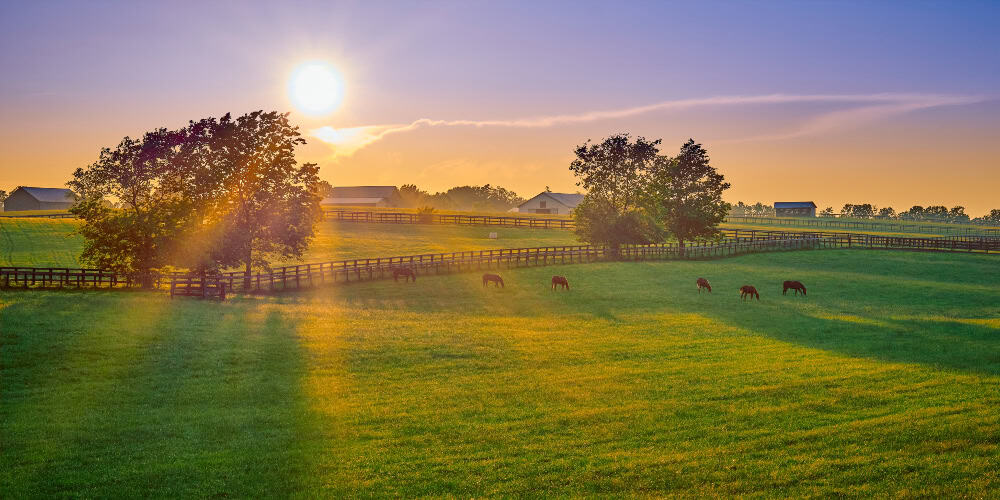
Buying a ranch in Texas is more than just a real estate transaction. It’s an investment in a unique lifestyle, a connection to the land, and, potentially, a source of income. With such a significant purchase, it’s essential to ask the right questions before taking the leap. Whether you’re drawn to the idea of wide-open spaces or looking at ranches as a long-term financial investment, careful planning and research can ensure you make a confident, informed decision.
Here are 10 key questions to guide your Texas ranch buying process.
1. What Are My Goals for the Ranch?
Defining your purpose is the foundation of any ranch purchase. Are you planning to use the land for cattle ranching, recreational activities like hunting and fishing, or a peaceful family retreat? Understanding your goals will help you identify the size, type, and features you need, ensuring the property aligns with your vision.
2. How Much Upkeep Am I Prepared For?
Owning a ranch can be labor-intensive. Maintenance tasks often include fencing repairs, managing water systems, maintaining pastures, and caring for livestock. Consider your willingness and ability to handle these responsibilities. For first-time buyers, employing a ranch manager might be a good solution to ease the workload.
3. What’s My Budget and Financial Plan?
Ranches vary significantly in cost, depending on factors like location, acreage, and amenities. Beyond the purchase price, plan for additional expenses such as property taxes, equipment, livestock, and maintenance costs. You may also need to explore financing options, so discussing your budget with a lender experienced in rural land purchases is crucial.
4. Does the Property Have Water Rights?
Water access is a critical factor for any rancher. Determine if the property has reliable water sources like wells, ponds, or natural springs. Be sure to research water rights for the land. If livestock, crops, or recreational use (like fishing) are part of your plan, ample water availability is non-negotiable.
5. What Are the Soil and Vegetation Like?
The land’s quality directly impacts its uses. For agricultural goals, healthy soil and suitable vegetation are essential for successful crop production or grazing. A soil test or land survey can determine if the property meets your needs or if improvements are necessary to maximize its potential.
6. Are There Zoning or Deed Restrictions?
Zoning laws and deed restrictions can significantly influence what you can and cannot do with the property. For example, some properties may restrict commercial uses, such as developing hunting lodges or agritourism farms. Review these limitations to ensure the property aligns with your intended use.
7. Are Mineral Rights Included in the Purchase?
Mineral rights determine who owns underground resources like oil, gas, or minerals. Even if you purchase the surface rights to a ranch, the mineral rights could belong to someone else and allow for drilling or mining activity on your land. Confirm the property’s mineral rights situation to avoid future surprises.
8. What Are the Legal Considerations for Livestock or Hunting?
Texas ranches often support a mix of agricultural and recreational activities. If you plan to raise cattle, manage wildlife, or host hunting excursions, familiarize yourself with the relevant state regulations, including fencing laws, livestock management requirements, and hunting permit guidelines.
9. How Accessible Is the Property?
Ease of access is key when evaluating a potential ranch. Check for well-maintained roads, proximity to essential services, and accessibility during varying weather conditions. A remote property could offer solitude, but may also increase transportation costs or reduce convenience for daily needs.
10. Is There Potential for Future Expansion or Value Growth?
Consider the long-term potential of the ranch. Could additional acreage be purchased later? Is the area experiencing growth that might increase property values? Thinking about future possibilities is especially important if you view the ranch as an investment opportunity.
Each of these questions is designed to help you make a clearer, more confident decision when purchasing a Texas ranch. By understanding your goals, considering practicalities like upkeep and legalities, and planning for the future, you’ll be better equipped to choose a property that exceeds your expectations.
The Phyllis Browning Company specializes in Texas ranch properties and has the expertise to guide you through every step of the process, from exploring potential properties to finalizing the purchase. Contact us today and explore available Texas ranches for sale.