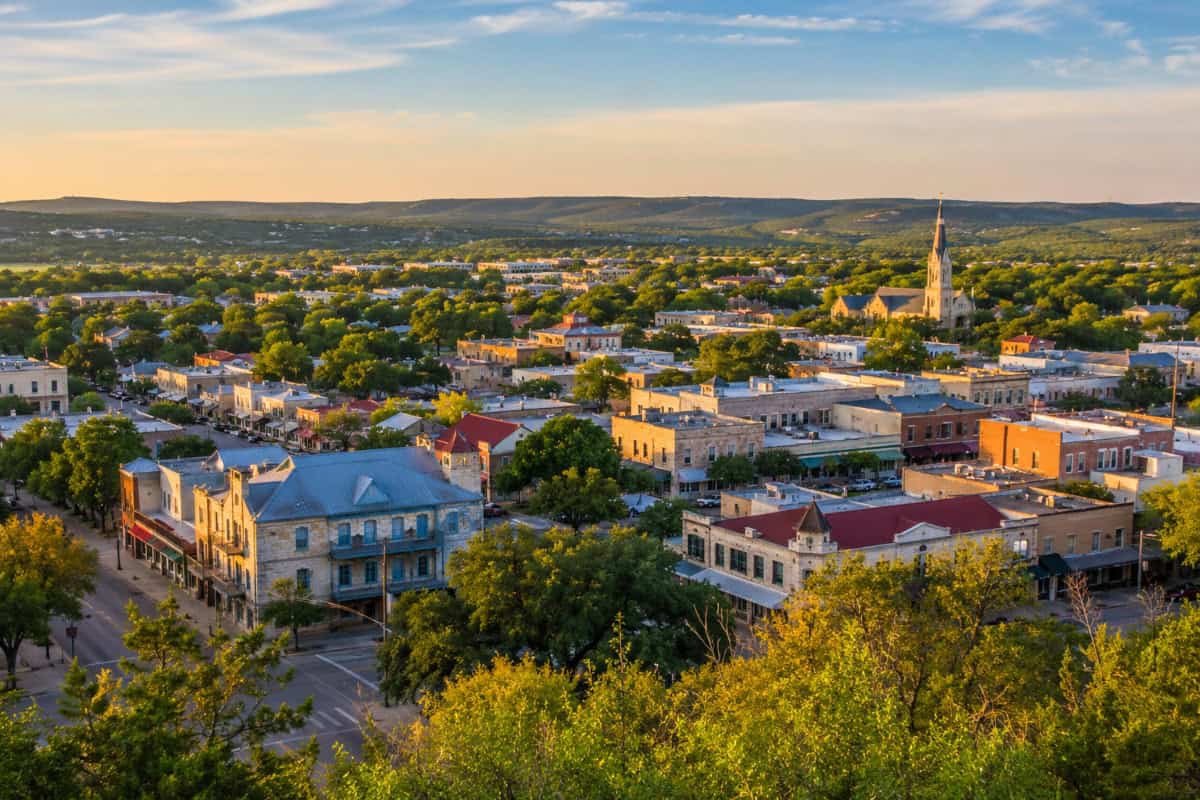
Tourism continues to shape the economy across the Texas Hill Country, creating new opportunities for commercial real estate development, investment, and business expansion. Communities such as Fredericksburg, Boerne, and New Braunfels are seeing increased visitor activity tied to wineries, outdoor recreation, hospitality, dining, and regional events. As tourism grows, demand for commercial spaces continues to evolve alongside it.
For property owners, investors, and buyers exploring opportunities in Central Texas, understanding how tourism impacts commercial real estate can provide valuable insight into long-term market trends.
Why Tourism Continues to Grow in the Texas Hill Country
The Texas Hill Country has become a major destination for both Texas residents and out-of-state visitors seeking weekend travel, outdoor experiences, wineries, live music, culinary destinations, and small-town downtown districts.
Several factors continue to support tourism growth across the region:
- Proximity to major metropolitan areas like Austin and San Antonio
- Expanding winery and brewery industries
- Increased relocation to Central Texas
- Growth in short-term rental activity
- Outdoor recreation along rivers, parks, and trails
- Year-round festivals and events
This sustained visitor activity has increased demand for retail, hospitality, restaurant, entertainment, and mixed-use commercial properties.
How Tourism Influences Commercial Real Estate Demand
As visitor traffic increases, businesses often seek locations that can support tourism-driven consumer activity. This creates demand across several commercial real estate sectors.
Hospitality Properties
Hotels, boutique inns, resorts, and lodging developments continue to expand throughout Hill Country destinations. Areas with strong tourism infrastructure often attract additional hospitality investment over time.
In markets like Fredericksburg, hospitality-related commercial properties remain closely tied to tourism performance, seasonal travel patterns, and event-driven demand.
Retail and Restaurant Growth
Tourism supports local retail corridors, shopping districts, tasting rooms, restaurants, and entertainment venues. Downtown commercial districts in many Hill Country communities continue to evolve as visitor traffic increases.
Businesses often look for:
- Walkable commercial locations
- High-visibility storefronts
- Mixed-use developments
- Flexible event and gathering spaces
This demand can influence redevelopment activity and commercial leasing trends.
Mixed-Use Developments
Mixed-use projects combining residential, retail, office, and hospitality space are becoming more common throughout Central Texas growth corridors.
These developments can support:
- Visitor activity
- Local residents
- Remote workers
- Small business expansion
As tourism and population growth intersect, mixed-use environments may become increasingly attractive for developers and investors.
Commercial Growth in Fredericksburg, Boerne, and New Braunfels
Fredericksburg
Fredericksburg continues to attract tourism tied to wineries, hospitality, shopping, and regional events. Commercial demand often centers around:
- Boutique hospitality
- Restaurant space
- Event venues
- Retail storefronts
- Wine-related businesses
The area’s tourism economy remains a major factor in commercial real estate activity.
Explore available commercial properties in Fredericksburg
Boerne
Boerne has experienced continued growth due to its location near San Antonio and its expanding downtown district. Tourism, relocation, and local business growth contribute to demand for:
- Retail centers
- Office space
- Restaurant properties
- Mixed-use developments
Boerne’s combination of accessibility and Hill Country character continues to attract commercial interest.
View commercial listings in Boerne
New Braunfels
New Braunfels benefits from strong tourism tied to river recreation, entertainment, and its location between Austin and San Antonio. Commercial activity in the area often includes:
- Hospitality projects
- Retail expansion
- Entertainment venues
- Service-oriented businesses
Population growth and tourism continue to shape commercial development patterns throughout the city.
Discover commercial real estate opportunities in New Braunfels
What Buyers and Investors Should Consider
Commercial real estate tied to tourism can present unique opportunities, but market conditions may vary by location, seasonality, infrastructure, and local development activity.
Factors buyers and investors often evaluate include:
- Traffic patterns and visibility
- Zoning and land use regulations
- Seasonal tourism fluctuations
- Nearby residential growth
- Infrastructure improvements
- Long-term regional development plans
Understanding local market dynamics can help buyers identify properties aligned with current and future demand.
The Connection Between Residential and Commercial Growth
Tourism growth often overlaps with residential expansion. As more people relocate to Central Texas communities, demand increases not only for housing but also for:
- Restaurants
- Medical offices
- Retail services
- Entertainment venues
- Professional office space
This relationship between population growth and visitor activity continues to influence the broader commercial real estate landscape across the Texas Hill Country.
Looking Ahead at Texas Hill Country Commercial Real Estate
The Texas Hill Country remains one of the most closely watched growth regions in the state. Continued tourism activity, infrastructure investment, and regional population growth are likely to shape commercial real estate opportunities for years to come.
Communities throughout Central Texas continue to evolve as both visitor destinations and long-term residential markets, creating ongoing interest in hospitality, retail, mixed-use, and investment-oriented commercial properties.
Whether you are exploring investment opportunities, commercial development trends, or properties positioned near growing tourism corridors, Phyllis Browning Company offers local market insight across the Texas Hill Country and Central Texas. Connect with our team to learn more.
Frequently Asked Questions
How does tourism impact commercial real estate?
Tourism can increase demand for hospitality, retail, restaurant, entertainment, and mixed-use commercial properties by driving visitor traffic and consumer activity.
Why is Fredericksburg attracting commercial investment?
Fredericksburg continues to attract tourism related to wineries, events, shopping, and hospitality, which contributes to commercial real estate demand.
What types of commercial properties are growing in the Texas Hill Country?
Hospitality properties, retail storefronts, restaurants, mixed-use developments, and entertainment-focused commercial spaces continue to see activity across the region.
Is New Braunfels seeing commercial growth?
Yes. New Braunfels continues to experience population growth and tourism activity, contributing to demand for retail, hospitality, and service-oriented commercial development.