
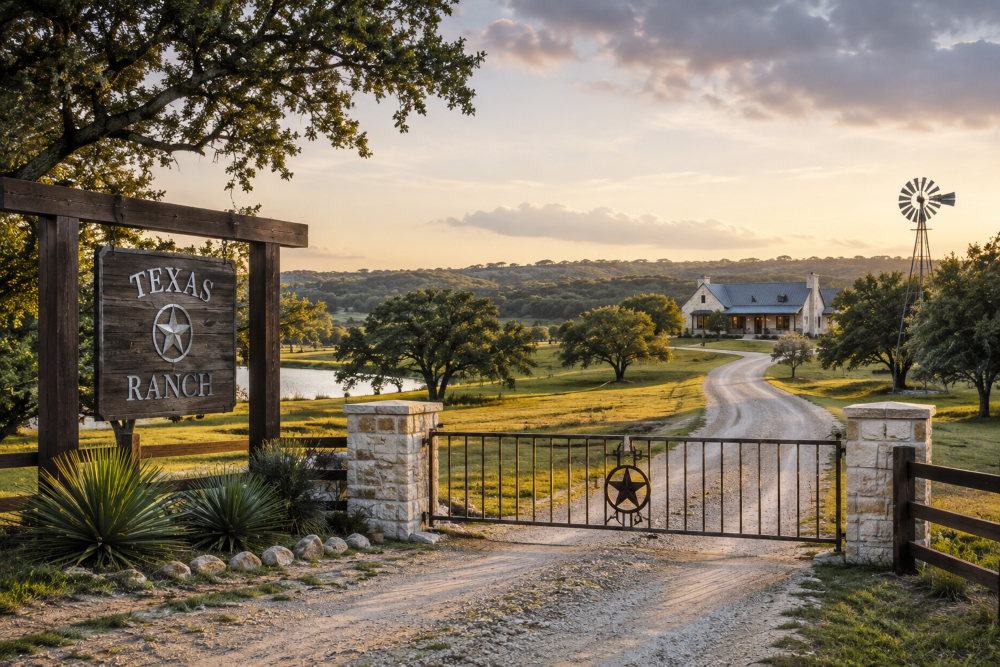
Buying a ranch in Texas is different from purchasing a traditional home. In addition to evaluating the residence, buyers should carefully consider the land, infrastructure, natural resources, and intended use of the property. Whether you're searching for a recreational retreat, a working ranch, or a long-term investment, understanding the key factors to evaluate can help you make a confident decision.
This guide outlines what to look for when buying a ranch in Texas and the questions to ask before making an offer.
1. Define How You Plan to Use the Ranch
The right ranch depends on your goals. Before beginning your search, consider how you intend to use the property.
Common uses include:
Recreational activities
Hunting and wildlife management
Livestock operations
Equestrian facilities
Farming or agriculture
Weekend retreats
Long-term land investment
Clearly defining your priorities will help narrow your search and identify properties with the features that matter most.
2. Evaluate the Land
Not all acreage offers the same opportunities. The quality and characteristics of the land can significantly affect how the property can be used.
When evaluating a ranch, consider:
Total acreage
Topography
Soil conditions
Native vegetation
Tree cover
Pasture quality
Drainage
Floodplain location
Walking the property, or reviewing detailed maps and surveys, can provide valuable insight into its usability and future potential.
3. Understand Water Availability
Water is one of the most important features of any Texas ranch.
Depending on the property, water sources may include:
Wells
Ponds
Lakes
Creeks
Springs
Municipal water service, where available
Buyers should understand the reliability, condition, and capacity of existing water sources, particularly if the ranch will support livestock, agriculture, or recreational use.
4. Review Water Rights, Mineral Rights, and Easements
Ownership of a ranch does not always include every associated property right.
Before purchasing, review whether the property includes:
Water rights
Mineral rights
Surface rights
Existing easements
Utility easements
Access easements
Understanding these details early in the transaction can help avoid surprises after closing.
5. Examine Access to the Property
Easy and reliable access is an important consideration.
Questions to ask include:
Is the property accessed by public or private roads?
Are there recorded easements?
Are roads maintained year-round?
Can larger vehicles or equipment access the ranch?
Convenient access can influence both everyday use and long-term value.
6. Inspect Existing Improvements
Many ranches include improvements beyond the primary residence.
These may include:
Guest homes
Barns
Equipment storage
Horse facilities
Livestock pens
Working corrals
Fencing
Interior roads
Water infrastructure
Evaluate the age, condition, and maintenance history of these improvements to better understand future costs.
7. Consider Utilities and Connectivity
While many Texas ranches offer privacy, utility availability varies by location.
Verify the availability of:
Electricity
Internet service
Cell coverage
Septic systems
Propane
Water systems
Reliable utilities may be especially important if the property will serve as a primary residence or remote workspace.
8. Review Agricultural Tax Valuations
Many Texas ranches benefit from agricultural or wildlife management tax valuations that may reduce annual property taxes.
Buyers should understand:
Whether the property currently qualifies
Existing land use requirements
Documentation needed to maintain eligibility
Any changes that could affect future tax status
Consulting qualified professionals can help clarify how these valuations apply to a specific property.
9. Evaluate Wildlife and Recreational Features
For buyers interested in recreation, the natural characteristics of the ranch may be just as important as the improvements.
Features to consider include:
Wildlife habitat
Native grasses
Fishing opportunities
Hunting potential
Trail systems
Scenic views
Mature hardwoods
Seasonal water features
The property's natural resources often play a significant role in its long-term enjoyment and market appeal.
10. Understand Ongoing Ownership Costs
Owning a ranch involves expenses beyond the purchase price.
Potential ownership costs include:
Property taxes
Insurance
Fence repairs
Road maintenance
Equipment
Water system maintenance
Land management
Livestock expenses, if applicable
Factoring these costs into your budget provides a more complete picture of long-term ownership.
11. Work with a Ranch Real Estate Professional
Ranch transactions often involve considerations that differ from traditional residential purchases. An experienced ranch real estate professional can help buyers evaluate property features, understand local market conditions, coordinate inspections, and navigate the due diligence process.
Professional guidance can be especially valuable when reviewing surveys, land use, improvements, and ownership rights.
Buying a ranch in Texas requires careful evaluation of much more than acreage. Water availability, land quality, infrastructure, ownership rights, and intended use all play an important role in selecting the right property.
By understanding these factors before making an offer, buyers can approach the process with greater confidence and make informed decisions that align with their long-term goals.
Whether you're looking for a recreational property, working ranch, or legacy investment, Phyllis Browning Company offers experienced guidance and access to exceptional ranch properties across Texas. Browse available listings below and contact us for personalized assistanace.
Search Ranches for Sale in Texas
Austin | Boerne | Fredericksburg | New Braunfels | San Antonio
Frequently Asked Questions
How much land do I need when buying a ranch in Texas?
The ideal acreage depends on your intended use. Recreational properties, equestrian facilities, livestock operations, and investment properties all have different land requirements.
What are mineral rights?
Mineral rights determine ownership of subsurface resources such as oil, gas, and minerals. These rights may or may not transfer with the sale of a ranch.
Why are water rights important?
Water availability can affect agricultural use, livestock operations, recreation, and long-term property value. Buyers should understand the property's existing water sources and any associated rights.
Should I have a ranch inspected?
Yes. Depending on the property, inspections may include residences, barns, fencing, wells, septic systems, roads, and other improvements.
Is buying a ranch different from buying a traditional home?
Yes. Ranch purchases often involve additional due diligence related to land characteristics, infrastructure, ownership rights, agricultural considerations, and long-term management.